
Join a working group
Join the working sessions, help write the standards, and shape what a working group publishes. Members stay with a group through a workflow and put their names on what it publishes.
The Commons brings together the people who do legal help work, the people who build the tools, and the people who evaluate them, to decide what legal help technology should do before it gets built. Tell us how involved you want to be and we will write back.
Pick the one that fits what you can give. Everything here goes to the same short form at the foot of this page, and we write back.
The Commons designs, builds, and tests the work with the people who will use it.
Join the working sessions, help write the standards, and shape what a working group publishes. Members stay with a group through a workflow and put their names on what it publishes.

Work with our Lab team and with builders and evaluators to be one of the first groups to run a tool and test it in practice.

Engineers and designers building any of the shared tools the field needs. Pick one from the agenda, or propose your own.

Researchers and evaluators who want to work on how these tools get tested, what counts as evidence that one helps, and how a working group writes its evaluation protocol.
Work that already exists is worth more when the rest of the field can find it.

JusticeBench is the open collection of what the field has built and learned. It lists the tools that are running, the evaluations people have done, the reports they have written, and the datasets and benchmarks others can test against. Describe what you have there and any team anywhere can find it, cite it, and build on it.
The Commons is where a workflow gets designed, built, and tested with a working group. JusticeBench is where the whole field's work sits together.

If your team has a tool running, or half built, we want to hear how it is put together. We talk through the architecture with you, work out which parts are particular to your place and which could be shared, and write it up as a reference other teams can build from. You decide what gets published and what stays with you.

Tools get tested against the documents and the cases they will meet, so we are looking for sample case files, the inputs people bring, and the outputs a service produces. None of it should be real. The way in is a fictional doppelganger: your real file rewritten with invented names, dates, addresses, and amounts, keeping the shape and the difficulty of the original so it is still worth building against. Tell us what you have and we will go through it with you and help you make the synthetic version.
Take the materials into your own organization, your own purchase, or your own classroom.

If your organization is about to put out a request for proposals or sign a contract for a tool, run the group's terms through it. The terms get tested against a real vendor and come back improved for everyone else.

We hold working sessions where a team takes one situation, works through how the service treats that person today, redesigns it, and writes a technology vision a funder or a builder could act on. Host one with your staff, your network, or your conference, and we bring the facilitation and the materials.

The Legal Design Lab runs classes where students scope a workflow, write the agenda for it, and set the standards a tool would have to meet. Those teams need people who know the work to react, correct them, and say what matters. If your group would take that on with a student team, put your name in and we will match you.
Read what comes out and come in further whenever you want to.

Hear when a working group publishes something, and come in further whenever you want to.
Organizations and funders who want to support this work can get in touch the same way.
The scenario library holds the legal problems the Commons is considering taking on. Read through them and pick the ones you most want a working group to take on, and the ones you most want builders to build for. You can vote without giving us your name.
We count the votes from frontline experts and from people who have faced these problems themselves, and they decide what we work on next.
Read the scenarios and voteA working group takes one area and works out which parts of legal help should be rebuilt with technology, what good would look like if they were, and how anyone would know whether a tool delivers it. The groups run with practitioners, builders, and researchers in the room together from the start, and everything they produce is published openly under the Commons.
Each of these groups is choosing which workflows to take on first, and members help set that order.
 Now forming
Anyone facing a housing problem, in any county, can understand where they stand, take the right step on time, and reach a stable outcome, in their own language.
 Now forming
Anyone sued over a debt, and the court reviewing the case, can see whether the collector has filed what the rules require before a default judgment is entered.
 Now forming
A person leaving incarceration can find out what on their record can be cleared, what is blocking a job, a home, or a license, and the steps to fix each one.
 Now forming
A person applying for food, cash, health, or disability benefits can get through the application, the verification, and the appeal without losing the benefit to a missed deadline or a paperwork problem.
These groups build the pieces every area depends on, so no single area has to solve them alone.
Shaping the shared knowledge base standard and the content that legal help runs on. Every workflow needs accurate, jurisdiction-specific legal content underneath it, and this group sets how that content is structured and checked.
Building the voice and intake tools that meet people where they are, so someone who calls a hotline gets screened, triaged, and routed to the right service alongside human staff.
Building the tool that reads documents and pulls out the facts that matter. Housing, debt, and reentry work all start with a document someone has to read, so this group serves all of them.
Each workflow a group takes on gets a package of materials, built in the same sequence every time.
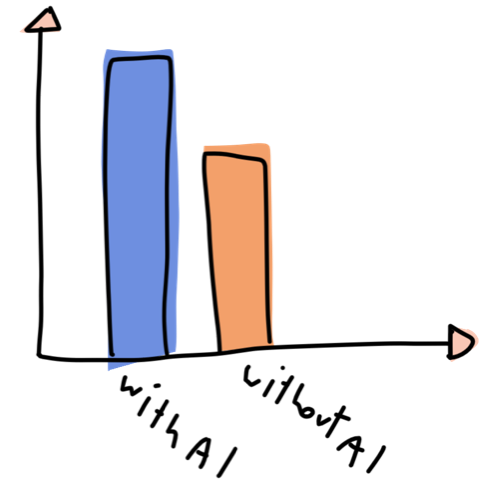
What happens today without a tool, what it costs, and whether a tool would improve on it. The group gathers the baseline so the case for building is grounded in something real.

The pieces a working system needs, the questions an organization has to settle before it buys anything, and the contract and procurement terms to ask for.
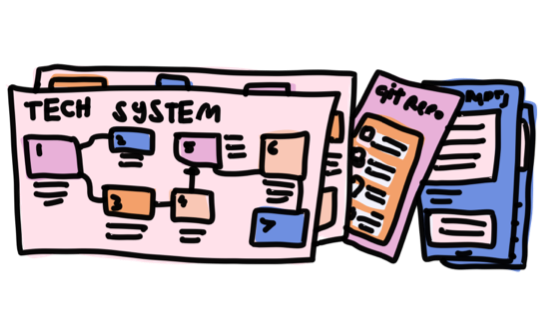
The functional agenda that says what the system must do, and the reference architecture that shows one sound way to build it.
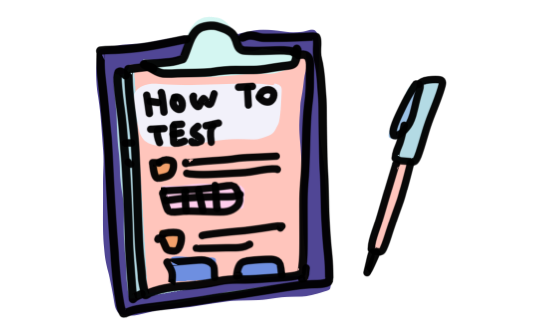
The conformance tests, the evaluation protocol, and the training materials that tell an organization whether what it has is good enough to put in front of a person or a judicial officer.
The packages published so far are on the workflows page.
Technology will keep arriving in legal help. This is a chance to get in front of it and decide together what is worth building, what would genuinely help people, and what fits the values of access to justice work.
This is about more than large language models. A strong agenda will include simpler rules-based tools, limited and affordable approaches, and solutions that pair technology with people. The work is to match the tool to the need and keep people at the center.
A shared agenda gives builders and funders something real to aim at. When the field names what is valuable and what is values-aligned, it directs the buildout and draws the investment and clarity that good work needs.
Tell us how to reach you and what you want to be part of. We write back.
Tell us a bit about yourself and what you care about. Tick Not sure yet on the form and we will read it.
Sign up