End-to-end scenarios where AI can help people with specific legal problems. Each workflow has a shared package of agendas, standards, and blueprints being developed by a practitioner working group.
These workflows have functional agendas, conformance standards, or other assets published as drafts and open for community feedback.
Help people who call a legal help hotline get screened, triaged, and routed to the right service through a voice-based AI assistant that works alongside human staff.
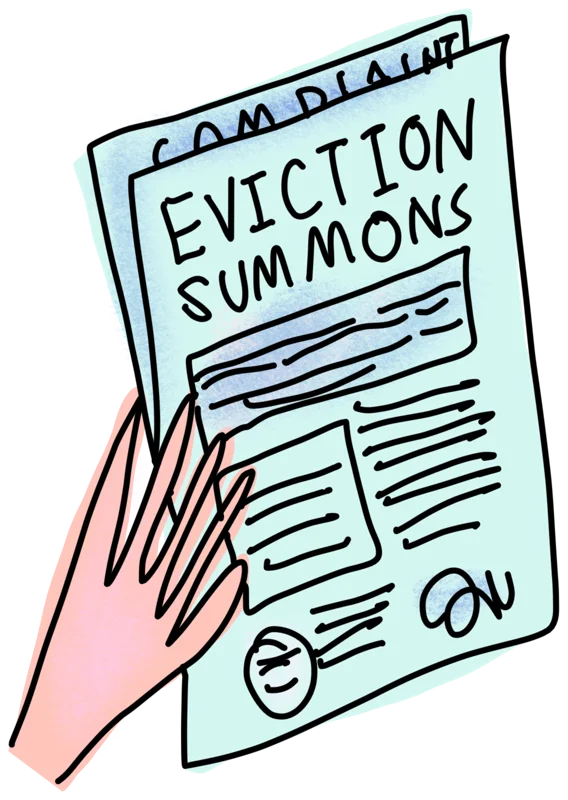
Help a legal aid worker read a tenant's eviction notice, flag the defects in it against statute, and turn those flags into defenses and a court response.
Additional workflows are being developed by working groups. Enter the collaborator code to see what is in progress.
Incorrect code. Contact legaldesignlab@law.stanford.edu for access.
These workflows are in earlier stages. Working groups are defining the functional agendas and conformance standards. Join a cohort to help shape them.
Help people who describe a legal problem get accurate, jurisdiction-specific guidance, next steps, and connections to services.
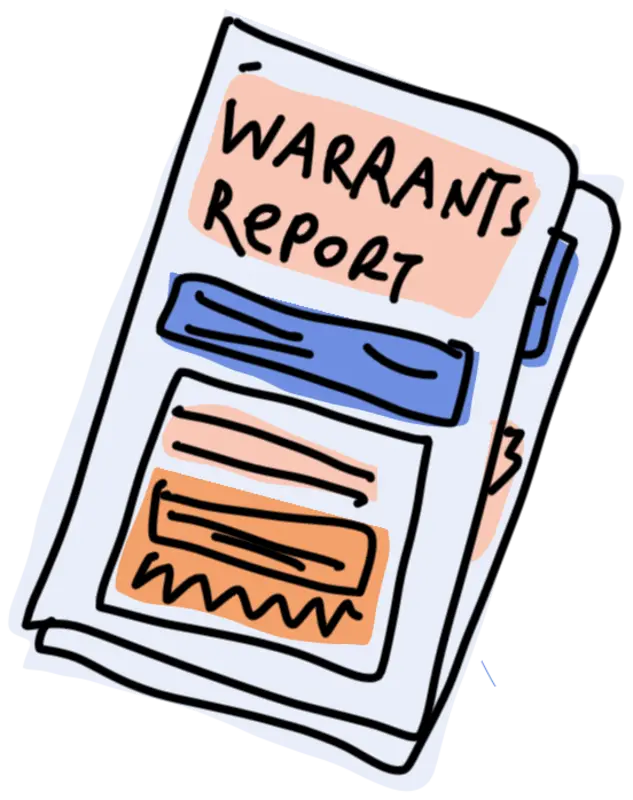
Help people with criminal records determine whether they qualify for expungement or record-clearing remedies under their state's laws.
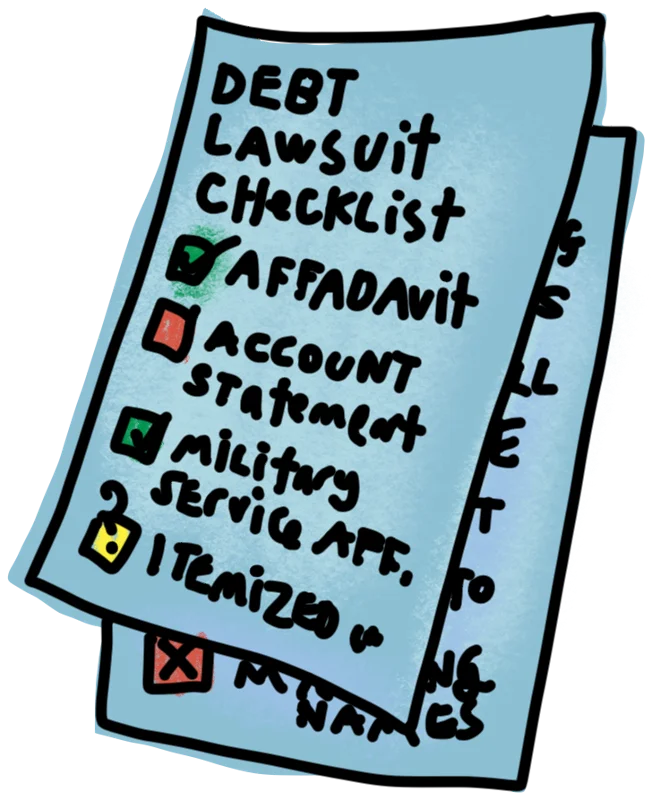
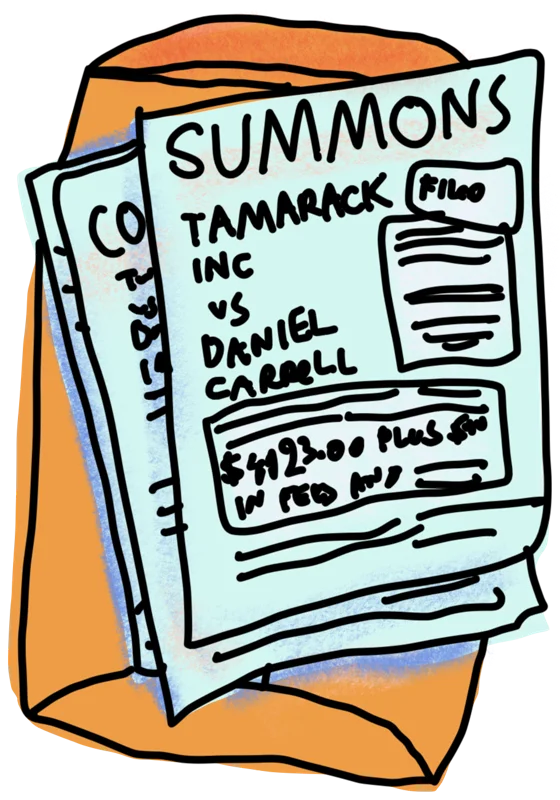
Help a person sued over a debt check whether the collector has proven the debt is theirs, in the amount claimed, and owed to the party bringing the case.
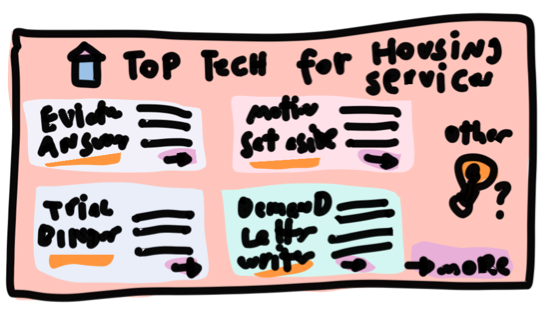
AI tools for tenants and advocates dealing with eviction, repairs, lease disputes, and housing instability.
AI tools for people with criminal records seeking expungement, record sealing, and other remedies.
AI tools for people navigating public benefits applications, renewals, and appeals.